UGAP, France’s Public Buyer, Puts Brake Particles on the Procurement Agenda
Brake Emissions Enter Public Procurement: What UGAP’s New Requirement Signals for Fleets and Manufacturers
France’s largest public purchasing body has made brake particle reduction a tender requirement for the first time. The move reflects a wider regulatory shift that is likely to reach the whole of Europe.


A purchasing body that sets the technical standard
UGAP is France’s leading public purchasing agency. It negotiates and lists vehicles on behalf of local authorities, administrations and public institutions. These bodies can then order directly from its catalogue without running their own tender. Its specifications therefore shape the technical choices applied to a large share of the French public fleet.
A first in the June tender
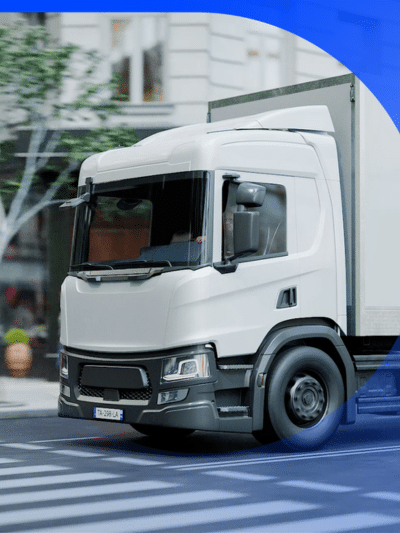
In its latest tender for electric buses and minibuses of 12 to 18 metres, issued in June, UGAP included a new requirement in its specifications. Bidders must supply and install “a device reducing fine particle emissions (PM < 10) from the braking system(s) by at least 80%”. Brake particles had not previously appeared among its criteria. The requirement applies to electric vehicles too, which emit no exhaust particles but still brake.

A dual European regulatory driver
Two European texts explain the change.
- Euro 7 is the first emissions standard to set numerical limits on brake particles. For passenger cars the limit is 7 mg/km until 2035, then 3 mg/km. It applies to new passenger car types from November 2026, electric models included. For heavy-duty vehicles, the EU is due to decide brake particle limits at the end of 2027, to come into force in 2030.
- Directive (EU) 2024/2881 on ambient air quality applies its new limit values from 1 January 2030. These limits are about half the current ones for PM10 and lower still for PM2.5. The directive also strengthens monitoring and adds ultrafine particles to the pollutants tracked.
Together these texts put pressure on cities, urban areas and their mobility authorities to act on non-exhaust emissions well before 2030. Brake and tyre particles are becoming part of purchasing decisions.
What to expect next
UGAP has not yet made an official public statement on extending the requirement. The regulatory trajectory nonetheless points to the same criterion appearing in its upcoming tenders for heavy vehicles, such as refuse collection vehicles and other truck chassis, over this year and next.
From a French trend to a European one
The Member States’ deadline to transpose Directive (EU) 2024/2881 falls at the end of 2026. From 2027, public buyers across Europe will have to prepare for the 2030 limits, and the brake particle requirement now appearing in France is likely to become widespread in public tenders across the Union.
Implications for manufacturers and fleet operators
For vehicle manufacturers, the requirement is moving from a differentiating option to a condition of eligibility in public tenders. For fleet operators and mobility authorities, anticipating it means avoiding costly retrofits and securing compliance with upcoming purchasing rules.
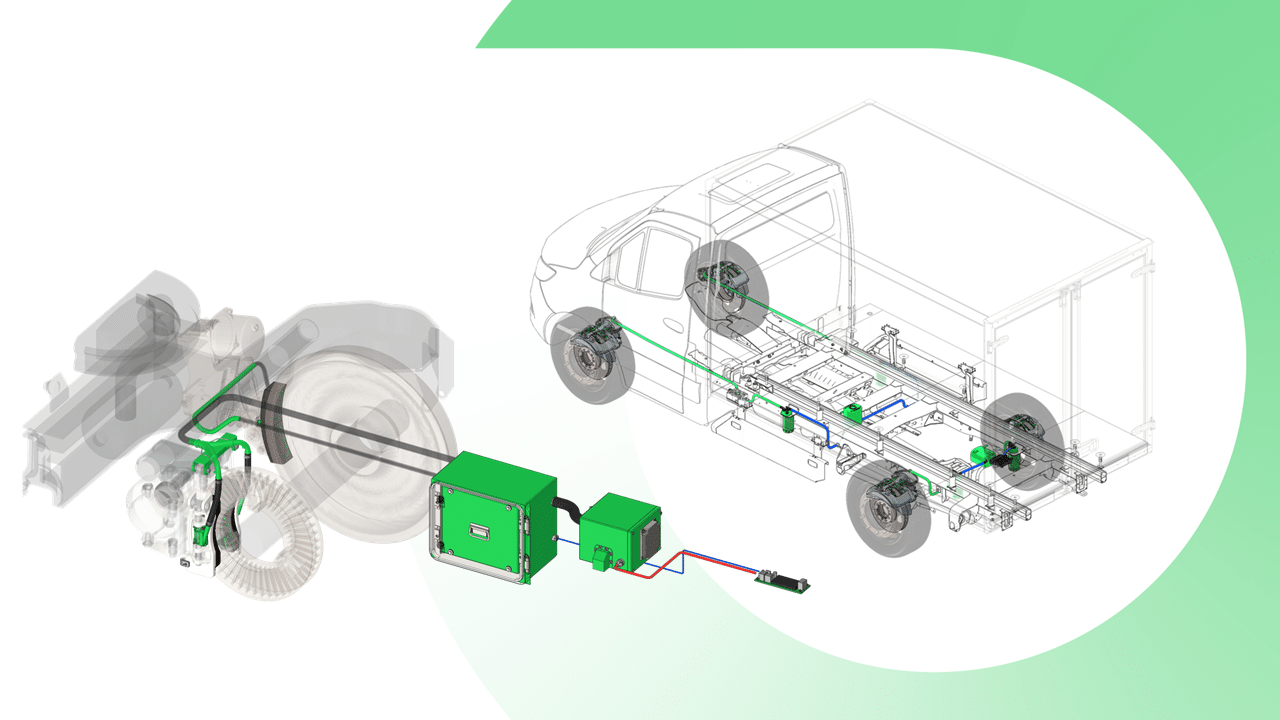
Tallano Technologies’ patented TAMIC® system is well positioned for this new requirement. It captures brake particles directly at source and can reduce brake PM emissions by up to 85%. We are available to support manufacturers and fleet managers who wish to anticipate this change.