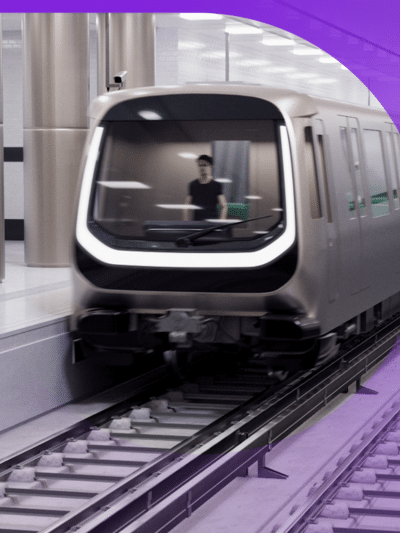
IAA Transportation show — Berlin, supported by Paris and Barcelona, in talks to field-test Tallano’s brake dust capture system, alongside DHL and Petit Forestier
HANNOVER, 17th SEPTEMBER 2026 – Press release
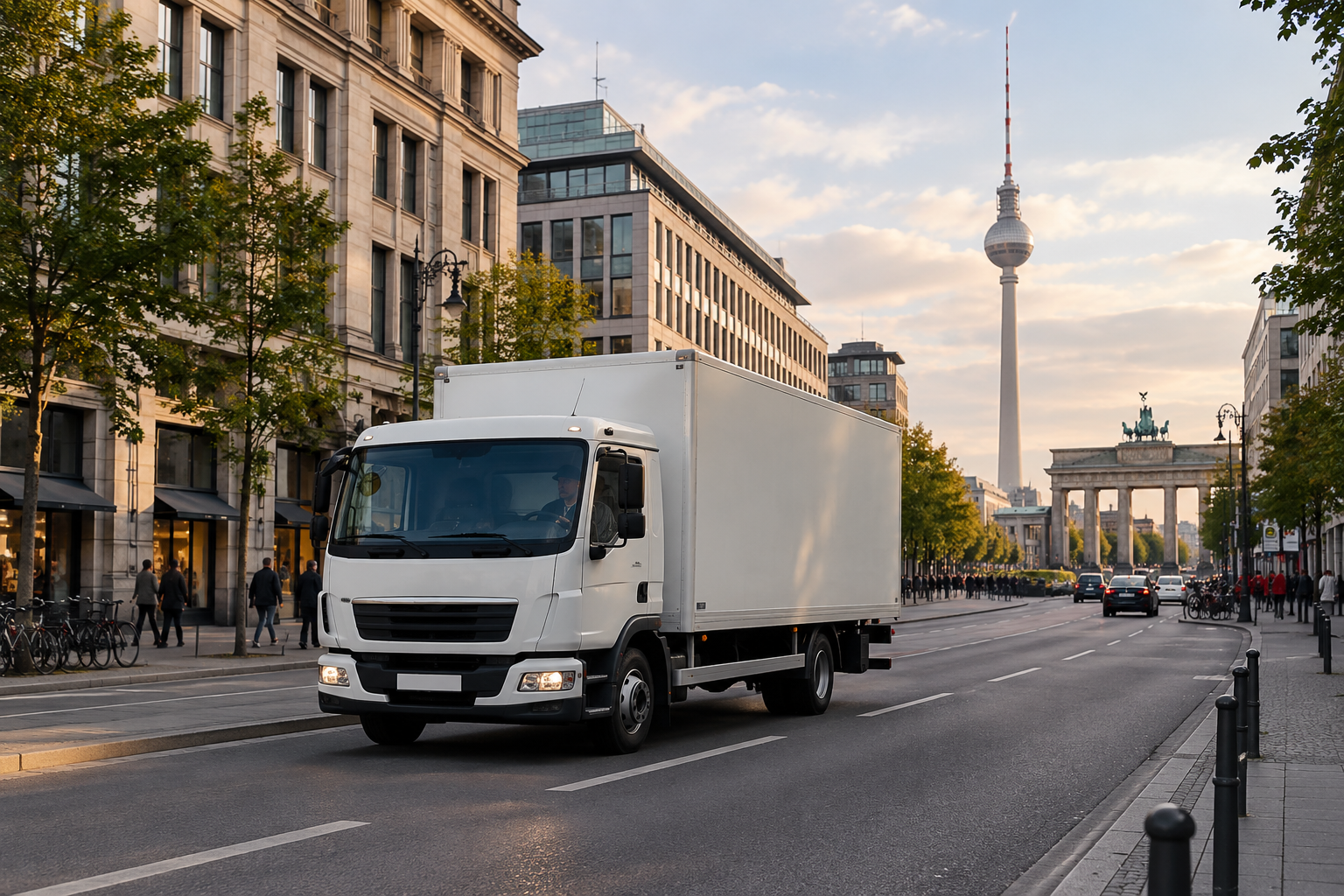

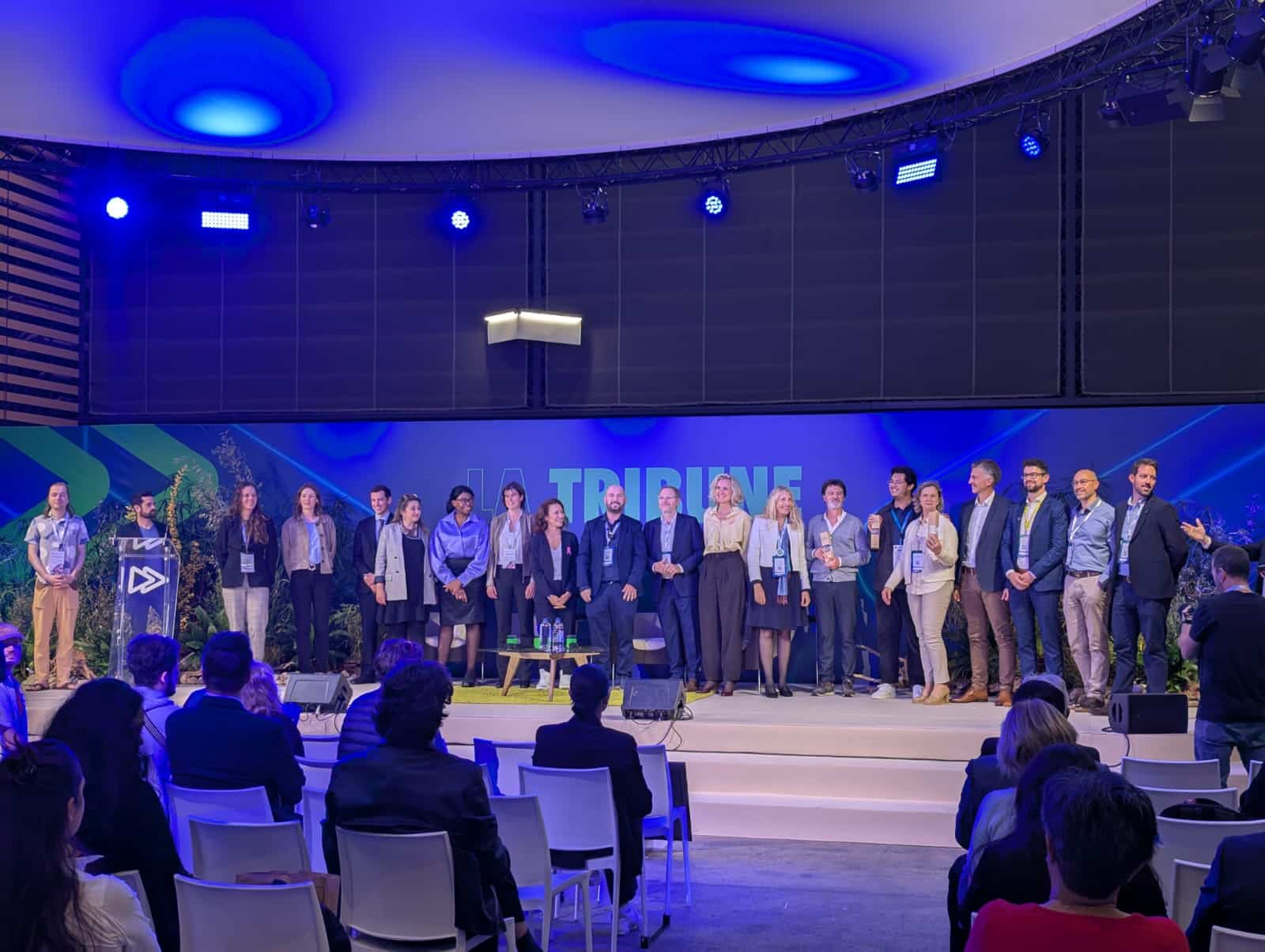
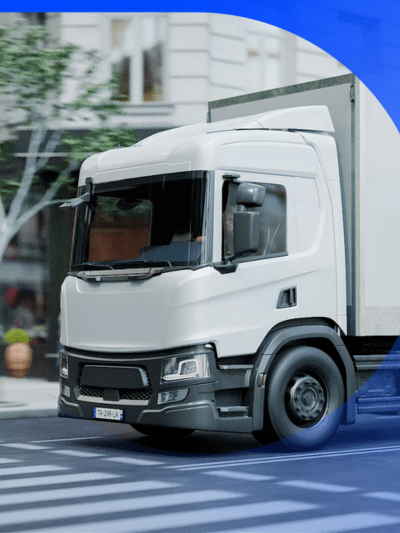
At IAA Transportation 2026 (Hall 12, Stand B72), Tallano Technologies announces that it is in advanced talks with the city of Berlin, within a consortium supported by the cities of Paris and Barcelona, and with DHL and Petit Forestier, for field evaluations of TAMIC®, its brake dust emission collection system. These evaluations would extend to freight transport and to several major European cities a technology already in service on public transport fleets in France.
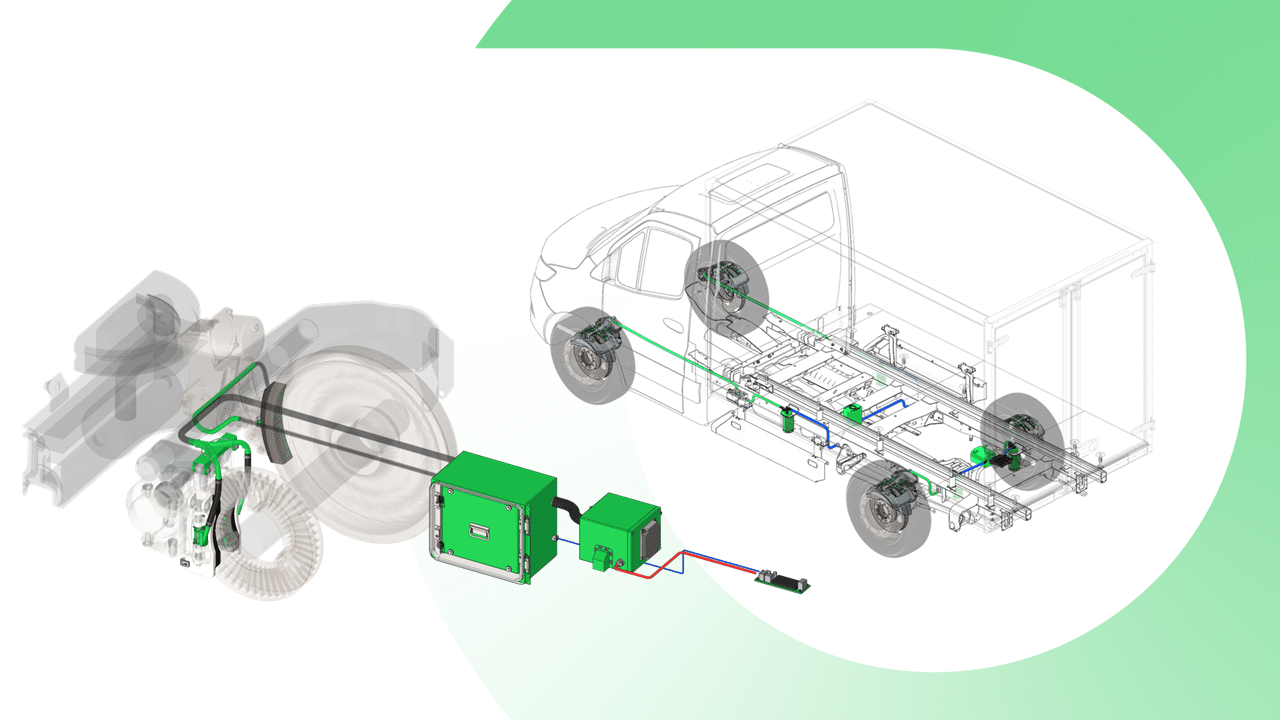
Brake wear has become one of the main sources of particulate pollution from road transport. On a modern vehicle, most of the fine particles emitted no longer come from the exhaust pipe but from the brakes and tyres. These particles are released where people are most exposed: at bus stops, traffic lights, delivery points and in city centres. The European Environment Agency still attributes around 180,000 premature deaths a year in the European Union to fine particle pollution. TAMIC® captures up to 85% of brake particles at source through suction and is available as original equipment, as post-equipment on new vehicles and as a retrofit.
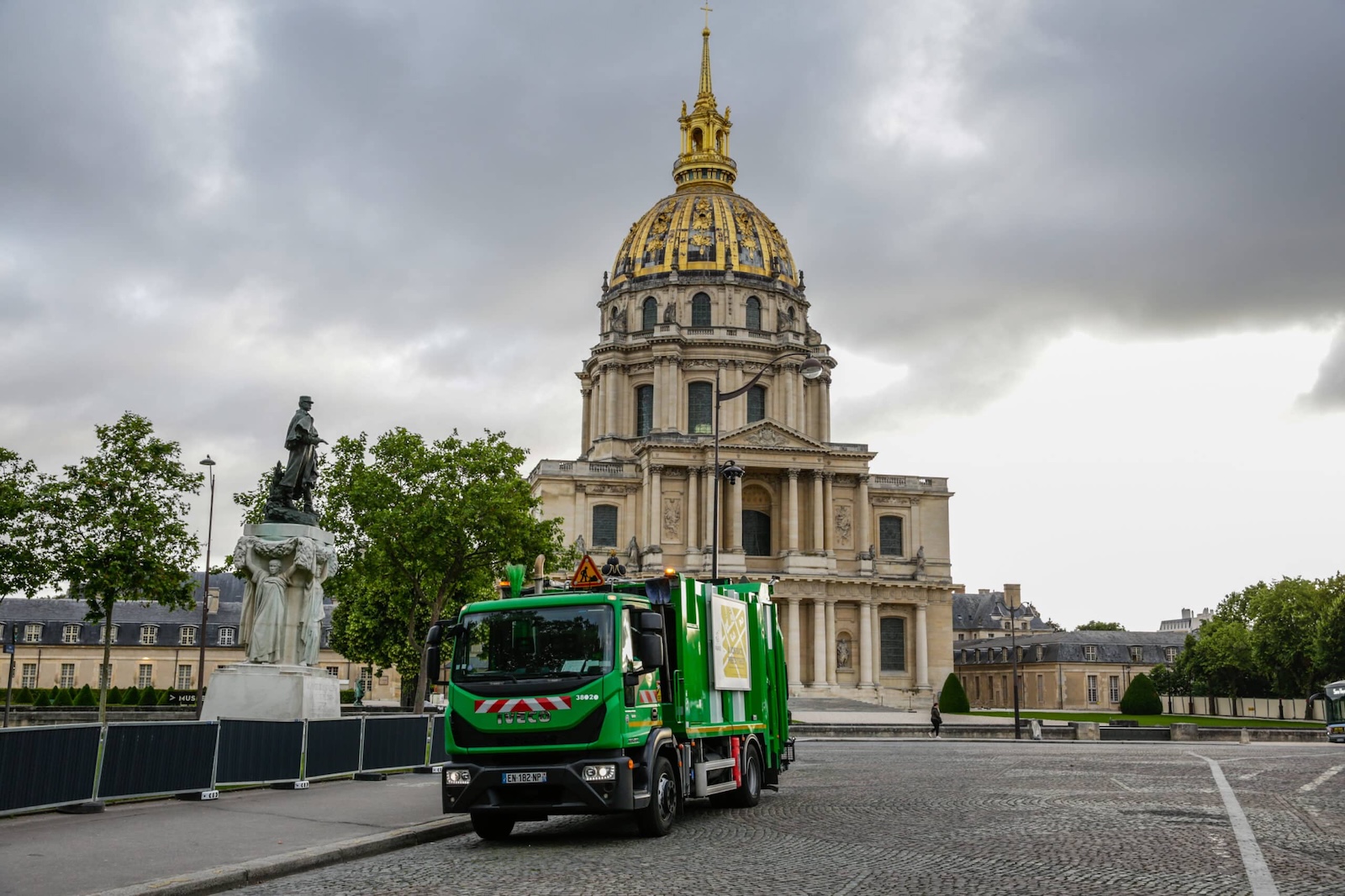
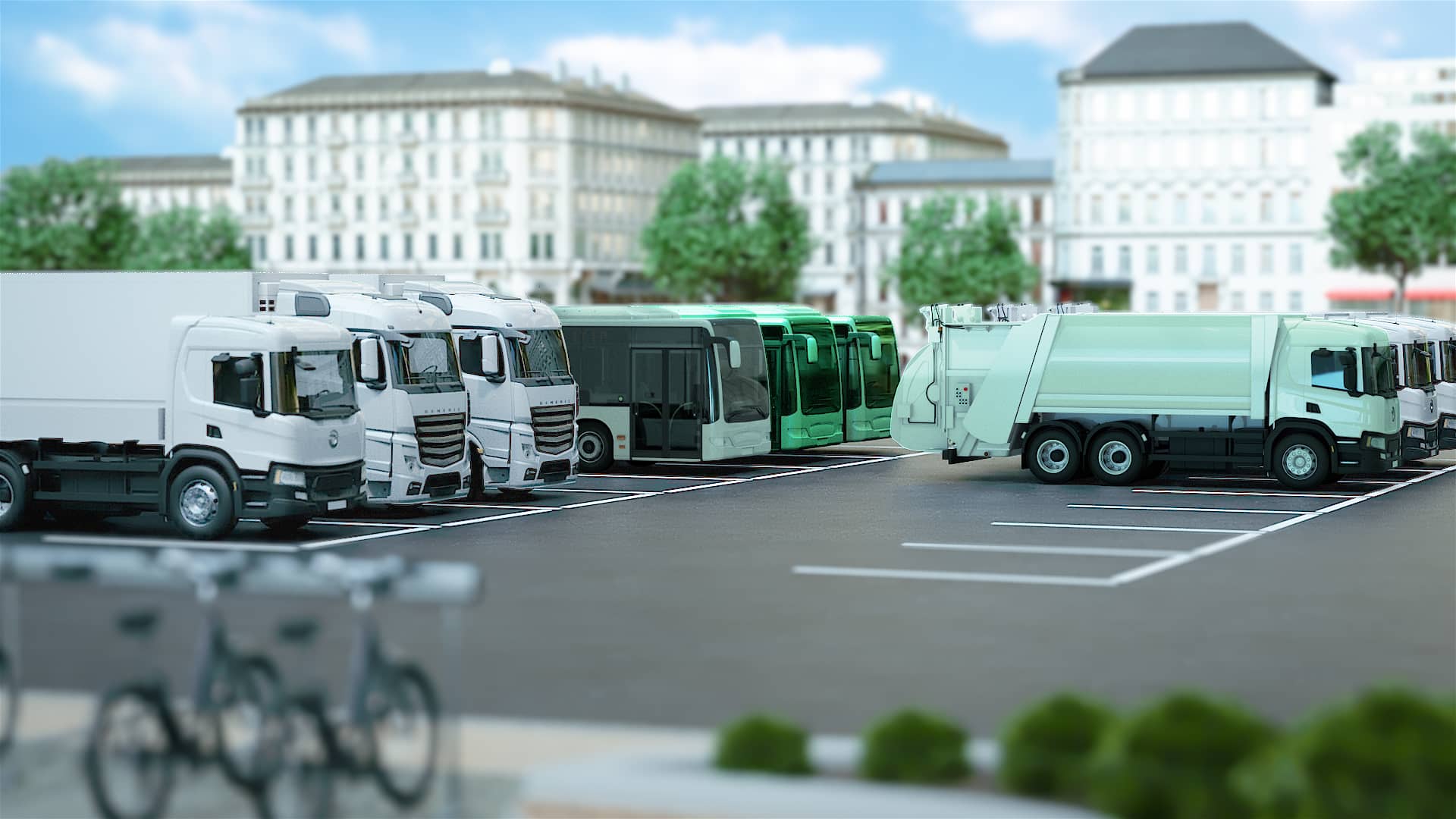
TAMIC® is already in service. With Transdev and the city of Mulhouse, Tallano has launched a program to equip up to 50 buses of the Soléa fleet by 2030, including electric buses, the first deployment of its kind worldwide. With the city of Paris as well as with Veolia, the system is being evaluated on refuse collection vehicles, one of the most demanding braking duty cycles in operation. For 2027, Tallano is in advanced talks with a major influential city in the UK and with the city of Berlin to evaluate TAMIC® in a consortium supported by the cities of Barcelona and Paris, and, in freight, with DHL and Petit Forestier, for urban and suburban freight transport. Discussions are also under way with several truck and bus manufacturers and Tier 1 brake suppliers. Further details on these projects will be shared as soon as they are formally engaged.
“Thirty years of Euro standards cleaned up the exhaust pipe, and it worked. But the particles coming off a brake disc were never regulated, and they are released exactly where people breathe,” says Damien Delcloy, Sales Director of Tallano Technologies. “Electrification does not solve this. An electric vehicle is heavier and still uses its friction brakes. A zero-emission vehicle is not a zero-particle vehicle, and that’s what these pioneering partners wish to address.”
These projects are taking shape as European legislation closes in on this source. Euro 7 (Regulation (EU) 2024/1257) introduces brake particle limits for cars and vans, applicable to new vehicle types from 29 November 2026, and provides for their extension to buses and trucks from 2030, subject to a European Commission review due by the end of 2027. In parallel, the recast Ambient Air Quality Directive (EU) 2024/2881 roughly halves the limit values Member States must meet by 1 January 2030: from 25 to 10 µg/m³ for PM2.5, and from 40 to 20 µg/m³ for PM10. The field evaluations announced today are designed to produce real-world data while those limits are still being defined.
About Tallano Technologies
Founded in 2012 and based in Paris, France, Tallano Technologies is a cleantech company dedicated to reducing non-exhaust particle emissions from transport. Its TAMIC® system captures brake particles at source and applies to buses, trucks, refuse collection vehicles, light vehicles and rail. It is protected by more than 50 patents in 12 countries. www.tallano-technologies.com
Press contact
Nayla Vallet — Marketing & communication manager · nv@tallano.eu