Tribune by Mulhouse Alsace Agglomération and Tallano Technologies: improving air quality, solutions exist!
The issue of air quality in urban areas is one of the major challenges for public health and urban policy. However, the debate still too often focuses on exhaust emissions from combustion engines, overlooking a source of pollution that will soon become dominant: fine particles from braking systems.

Vital issues, economic imperative
Investing to improve the air we breathe is an absolute necessity. Exposure to fine particulate matter is recognized as the 7th leading risk factor for death worldwide. Every year, around 250,000 people die prematurely in Europe because of the air they breathe, according to the European Environment Agency (EEA). Certain areas are particularly exposed, such as city centers and underground transport hubs.
But it is also an economic imperative. According to a recent study by Airparif, air pollution costs €28 billion per year in the Île-de-France region—a colossal cost linked to premature mortality, healthcare, loss of productivity, reduced quality of life, and social support. Taking action to improve air quality therefore not only saves lives, but also saves public resources in the long term.
The little-known issue of fine particles emitted by brakes
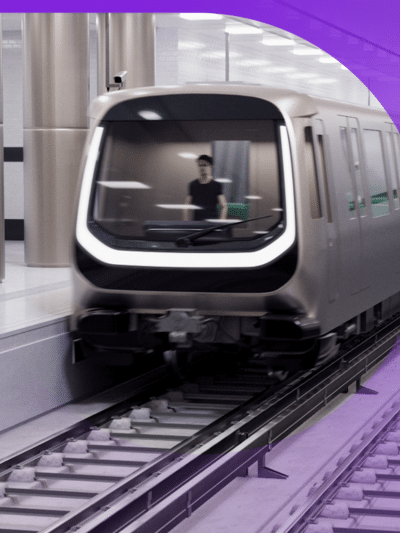
While everyone is aware of the need to reduce exhaust emissions from combustion engine vehicles, the fine particles generated by braking are still largely ignored. However, as electric vehicles become more widespread, these emissions will become the main source of traffic-related air pollution. They are already the main cause of pollution in subway systems. The European Union has recognized this issue: the new Euro 7 standard, adopted in 2024, includes specific limits on emissions from braking systems for the first time.
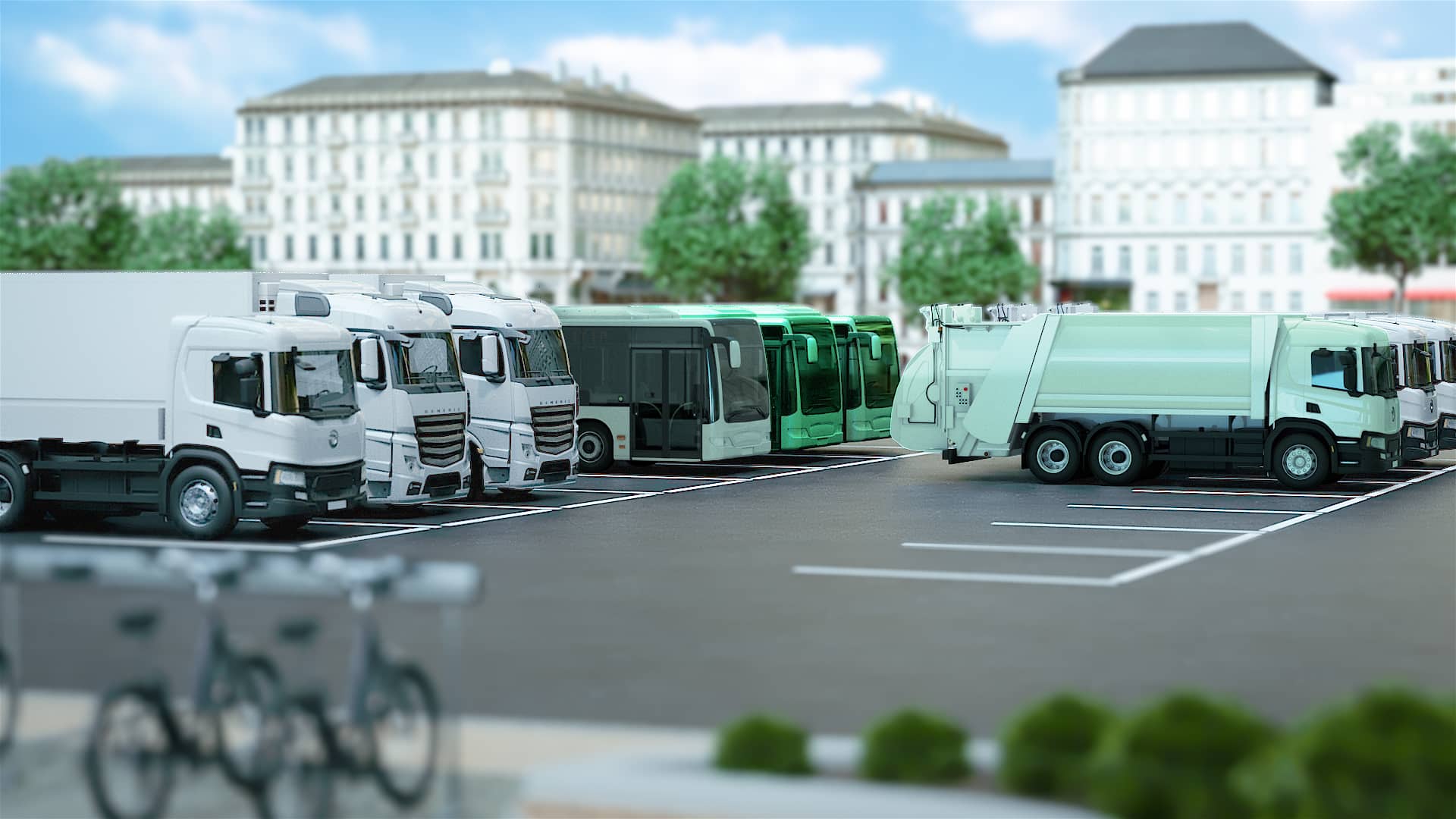
The issue is even more important for heavy vehicles that travel in city centers and brake frequently, such as buses and garbage trucks, which contribute significantly to this invisible but very real pollution.
Solutions exist!
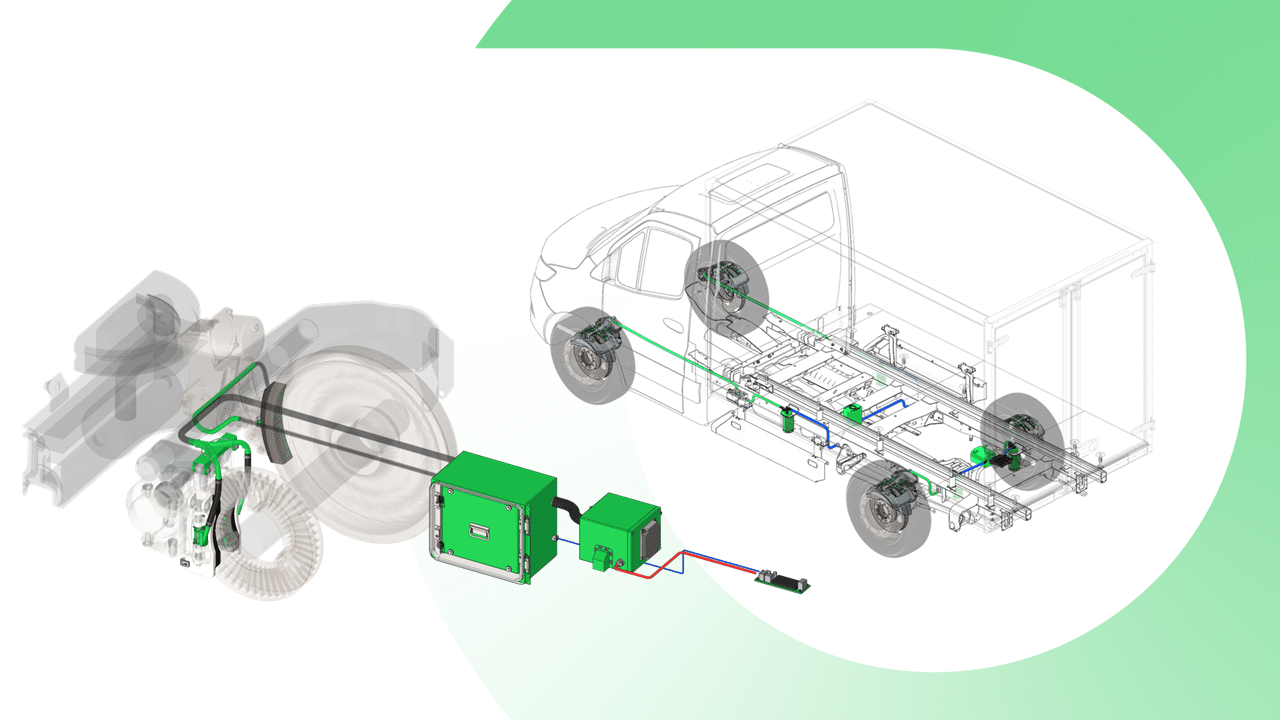
Urgent action is needed, and not just to comply with European regulations. Public action to improve air quality can no longer be limited to reducing emissions from combustion engines. Some areas are leading the way, such as Mulhouse Alsace Agglomération (m2A), Paris, and the Paris RER, where innovative technology is being tested that can capture at least 70% of the fine particles produced by braking.
To go further, improving air quality must now be based on complementary levers. First, it has become essential to strengthen the monitoring and measurement of pollution in confined city centers, targeting areas at risk. Secondly, public decision-makers must incorporate complementary technologies into public procurement and urban fleets to reduce emissions from braking. Finally, it is also the responsibility of manufacturers and industrialists to integrate new technologies into their vehicles in order to limit their environmental footprint. And contrary to popular belief, this is not expensive. According to Airparif, between 2010 and 2019, every euro invested in improving air quality saved ten euros in avoided health and economic costs.
Let’s act now
Public decision-makers and manufacturers now have a responsibility to assess the scale of this challenge and plan ahead. This is not only a public health imperative, but also a source of sustainable savings and an economic opportunity for local areas. By committing to this path, local authorities and businesses are choosing a concrete and measurable ecological transition that will benefit citizens’ daily lives.
“The air we breathe is a shared resource. Preserving it is no longer a choice: it is a collective emergency.”
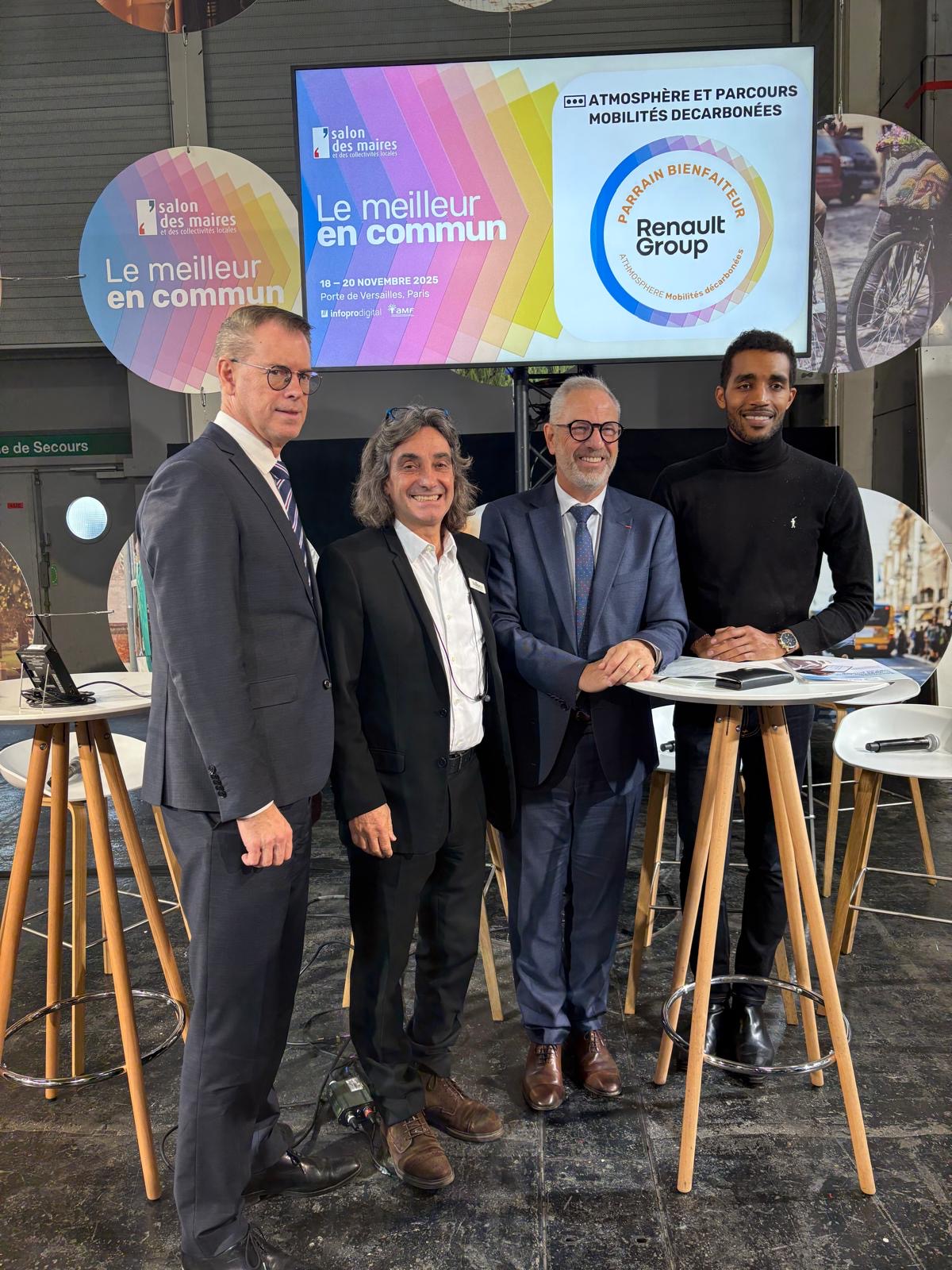
Fabian JORDAN, President of Mulhouse Alsace Agglomération (m2A), Mayor of Berrwiller,
President of the Association of Mayors of Haut-Rhin, Vice-President of Intercommunalités de France
Jean-Louis JUCHAULT, President of Tallano Technologies